
The past week has astonished me.
Our rural area faced devastating fires. Volunteer fire departments from across the region rushed to the aid of homeowners, ranchers, and ag producers. Neighbors jumped into action to haul water, offer cattle trailers, make sandwiches, and fill in wherever they were needed. State and federal help eventually arrived, but not before our friends and neighbors had been fighting for almost four days.
Twenty-nine hours of choosing to stay
One young volunteer fire fighter, I was told, left to fight the fire at 7 p.m. and didn’t return home until midnight the following night. That’s almost 29 hours of standing between destruction and someone else’s home. Twenty-nine hours of laying one’s life on the line and choosing to stay.
I heard story after story. Neighbors climbed onto roofs to spay them down. College students spent their spring break working relief efforts. Girlfriends and wives waited anxiously for updates about homes and loved ones. Evacuees contemplated what belongings to grab, unsure of when they would be able to return home.
And in the middle of it all, phones buzzed with check-ins: “Are you okay?” and “What do you need?”
What the fire revealed
After listening to a friend break down in tears on the phone as he described what his family had experienced, I found myself asking: What does it take to be the kind of person who sacrifices in such a big way?
What moves a person to act when the fire isn’t at their own door? What compels a person to step into harm’s way and experience such extreme sacrifice for his neighbors and community members? What causes a person to make sandwiches, serve meals, donate supplies, and volunteer physical labor and equipment?
Maybe it’s something deeper than a moment. Maybe it’s something formed over time.
Living the Good Samaritan
An internal drive. A quiet compassion woven into one’s make up. A personal sense of responsibility that doesn’t wait to be asked. It isn’t a quality that is created in crisis but cultivated long before one.
It grows in communities where people know each other, where showing up is modeled, expected and remembered. Helping isn’t extraordinary. It’s simply what we do.
In a moment of decision, it would be easier to stay home, to turn away or to assume someone else will step in. But some people don’t. They live into what it means to be the Good Samaritan.
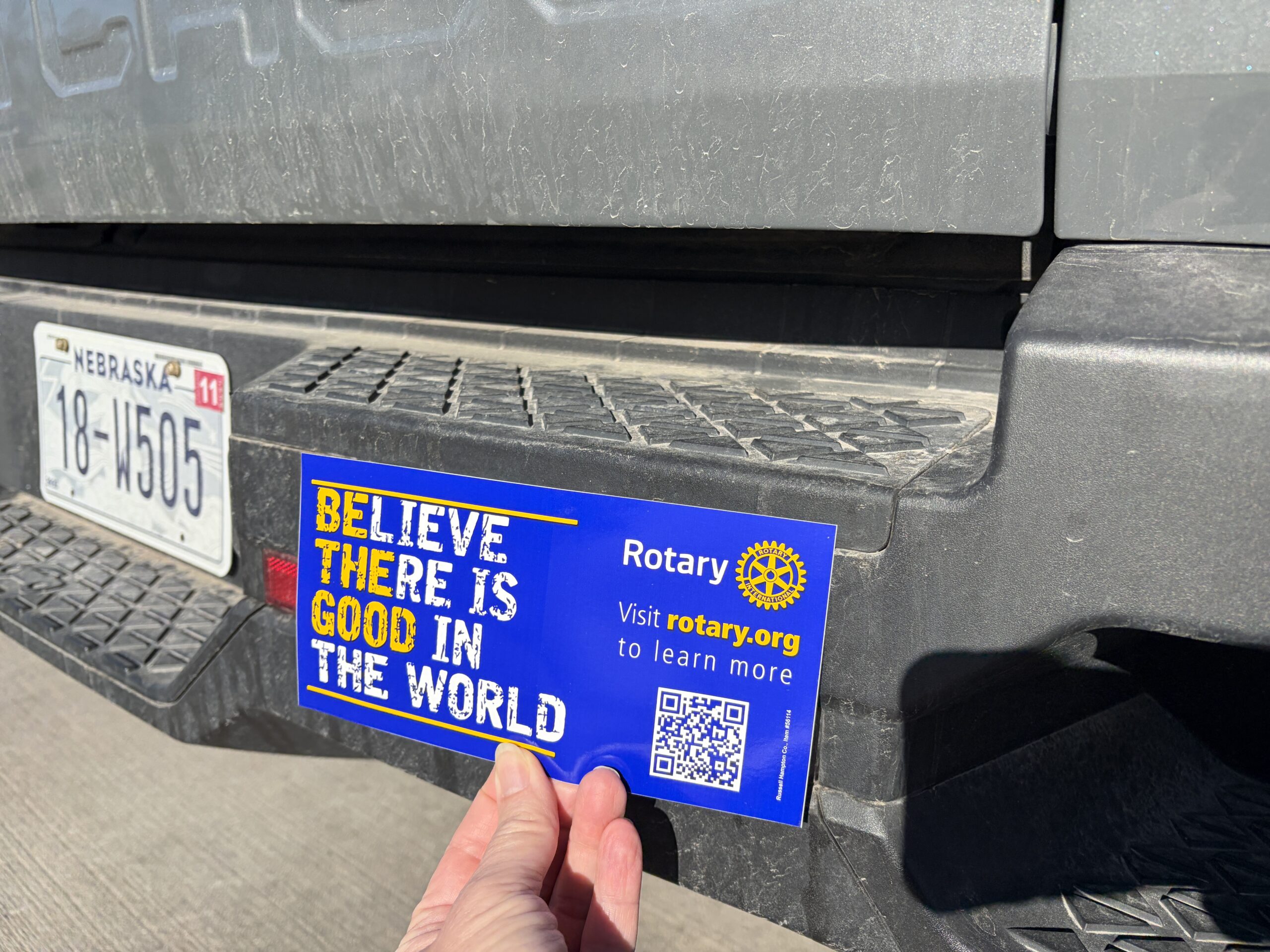
That’s not only who I want to be, but it’s also what I want for the next generation. In a world that often feels crazy and like it’s falling apart, I don’t want belief in goodness to live only on a bumper sticker. I want it to be something we practice.
To “believe there is good in the world” requires something of us. It asks us to “be the good.”
And this week, I saw good clearly, courageously and without hesitation.